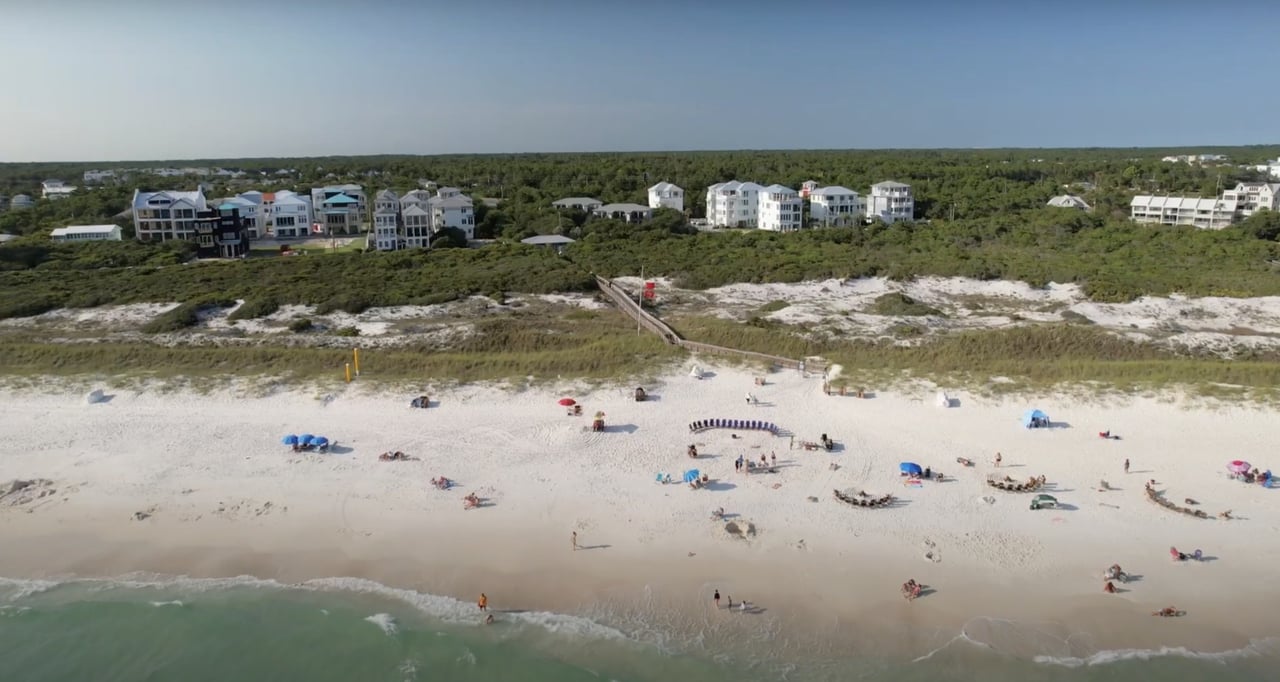
Inlet Beach Rental Homes: What Are the Hidden Costs?
Monthly Blog Jonathan Hill November 3, 2026
Monthly Blog Jonathan Hill November 3, 2026
Owning a rental home in Inlet Beach is about much more than the booking calendar. The home itself can grow in value over the years while guests help cover the cost of owning it. A rental property can also bring real tax advantages, including deductions for operating expenses and depreciation on the home and its furnishings, so talk with your CPA about how they apply to you. And unlike paying for beach rentals year after year, the money you put into your own place builds equity instead of disappearing at checkout. Then there are the parts no spreadsheet can price: sunsets on the sand with your family, holidays that turn into traditions, and a beach house your kids and grandkids will remember. Below, we walk through the costs smart owners plan for, so you can buy with confidence and enjoy it from day one.
Short answer: The costs that surprise Inlet Beach rental owners are rarely the mortgage. They are the ones tied to turnover and time: management and cleaning taken off the top of each booking, furnishings and linens that wear out faster than in a primary home, utilities and services that run whether the home is booked or not, a property tax bill that resets after you buy, and the 12% in rental taxes that must be collected and paid on stays. Budget from actual expense records, not a projection, and build a reserve from day one.
Management fees and cleaning are taken out of rental income before it reaches you, so a strong gross number can look very different by the time it lands in your account. Ask the current manager for actual owner statements, not a sample, and compare fees side by side. Our guide to typical property management fees for short-term rentals on 30A walks through what to compare.
Rental taxes are the other cut. Stays in South Walton, which includes Inlet Beach, carry the 5% South Walton tourist development tax plus 7% Florida state and local sales tax, for 12% in total. Walton County notes that rental platforms do not remit the tourist development tax for owners, so confirm whether your manager handles it or you do. Returns are due by the 20th of the month after the stay, even in a month with no bookings.
Electricity, water, internet and streaming, pest control, pool service and landscaping keep running in the slow months. In a rental, guests expect fast internet and a clean, ready pool in the off season too, so these are not costs you can switch off between bookings.
Insurance, HOA or condo dues and the annual Walton County short-term vacation rental registration belong in this group as well. As of February 1, 2025, the county fee schedule lists $300 per property for an individual registration, and a new owner should plan to register in their own name after closing rather than assume the seller's registration carries over.
Furnishings take far more use in a vacation rental than in a primary home. Linens, towels, small appliances, outdoor furniture and decor need regular replacement, and a tired interior shows up quickly in guest reviews and booking rates.
Those furnishings can also be taxed. In Walton County, furniture and appliances used in a rental are tangible personal property. The Walton County Property Appraiser asks owners to submit a tangible personal property return by April 1, and a timely return is how you apply for the exemption on the first $25,000 of assessed value. Late or missing returns carry penalties, so put this date on your calendar the first spring you own the home.
A rental home in Florida does not receive the homestead exemption. Non-homestead residential property has its assessed value increases capped at 10% a year for levies other than school taxes, but that cap resets on a sale. Under Florida law, the home is reassessed at full market value on January 1 after it changes hands. If the seller has owned the home for years, their tax bill can be substantially lower than yours will be, so estimate taxes from the purchase price, not the seller's last bill.
Many Inlet Beach homes and condos sit in associations with shared amenities, pools and grounds. Before you buy, read recent meeting minutes, the budget and the reserve study. They show planned dues increases, upcoming projects and any special assessments under discussion, which are some of the largest surprises an owner can face.
Build your budget from at least two full years of actual expense and payout records for that home. Then set aside a reserve fund from the first month you own it, for furnishings, repairs and the bills that come before income does. The owners who plan for these costs are the ones who are glad they bought. Jonathan has lived and worked on the Emerald Coast since 2012, and that is the advice he gives buyers before they write an offer.
The Jonathan Hill Team helps buyers find rental-friendly homes for sale in Inlet Beach and across 30A, including gulf front, gulf view, walk to the beach and short drive to the beach homes. Before you offer, we help you gather the HOA documents, the rental history and the expense records so you can judge the real cost of owning. Browse Inlet Beach homes for sale, see how our 30A realtor team works, read Can You Short-Term Rent in Any 30A Neighborhood?, or call (205) 370-5905.
Stays in South Walton, including Inlet Beach, carry a 5% tourist development tax plus 7% Florida state and local sales tax, for 12% in total on rent and required non-refundable fees.
Usually not. A rental home does not get the homestead exemption, and Florida reassesses non-homestead property at full market value on January 1 after a sale.
Furnishings used in a rental are tangible personal property in Walton County. A timely return by April 1 applies for the exemption on the first $25,000 of assessed value.
Yes. Walton County requires annual short-term vacation rental registration, and owners should register in their own name after closing.
Sources: Walton County Office of Short-Term Vacation Rental Registration fee schedule (effective February 1, 2025); Walton County Clerk of Courts Tourist Development Tax pages; Walton County Property Appraiser Tangible Personal Property FAQs; Florida Statutes section 193.1554. Rules and fees can change, so confirm current requirements with Walton County before you buy.
Stay up to date on the latest real estate trends.
Monthly Blog

Monthly Blog
Monthly Blog
Monthly Blog

Monthly Blog

Monthly Blog
Looking for expert advice in the 30A real estate market? The Jonathan Hill Team is ready to provide you with the insight and expertise you deserve.