Rosemary Beach Buyers: The $150 Transfer Fee Cap You Read About Doesn't Apply Here
September 3, 2026
September 3, 2026
Search "Florida HOA transfer fee" before you write an offer in Rosemary Beach and you'll find the same number over and over: $150, capped by state law. It's accurate. It's also the wrong number for the town you're buying into.
Florida's $150-per-applicant cap comes from the Condominium Act, and it governs condo associations specifically. Rosemary Beach is not a condominium. It's a planned community of single-family homes, townhomes, and mixed-use buildings governed by a property owners association under Florida's separate HOA statute, which sets no such ceiling. The association's own governing documents set the number instead, and in Rosemary Beach that number is tied to the sale price, not a flat fee. On a $2 million home, a 1% transfer fee due at closing runs $20,000. On a home priced closer to the neighborhood's current median, it runs meaningfully higher.
That single distinction, condo statute versus HOA governance, is worth sitting with before you get much further into a Rosemary Beach purchase. It's not a one-off surprise. It's the same logic that shapes what you're allowed to build, how long approval takes, and what a renovation costs before a contractor ever shows up.
Florida law treats condominiums and homeowners associations differently on purpose. Condo transfer fees are capped because condo owners share a single building and a tightly interlinked set of systems, so the legislature limited what an association could charge for processing a sale. HOAs governing detached and semi-attached homes, town-style buildings, and planned communities operate under a different statute with no equivalent cap. Whatever the recorded declaration says, goes.
Rosemary Beach's declaration says the transfer fee is 1% of purchase price, paid by the buyer at closing. There's no ambiguity in the number once you know where to look, but most generic Florida closing-cost guides never mention it, because they're written for condo buyers or for HOAs where the fee is a flat few hundred dollars. Rosemary Beach isn't that kind of HOA.
Here's the fuller stack, beyond the transfer fee alone. Monthly HOA dues for single-family homes generally run $400 to $800, covering common area maintenance, landscaping, security, and amenity access. That's the number most listings quote, and it's real, but it's the recurring cost, not the entry cost.
The one-time items are where the surprises live:
| Cost Item | Typical Range | When It Applies |
|---|---|---|
| Transfer fee | 1% of purchase price | Every resale, paid by buyer at closing |
| Capital contribution | $5,000 to $25,000 | New construction or major renovation |
| Monthly HOA dues | $400 to $800 | Ongoing, single-family homes |
| Annual insurance | $12,000 to $25,000 | Coastal Zone A homes, $1.5M to $3M value range |
A buyer who budgets only the dues and the purchase price is underwriting a smaller number than the one that will actually appear on the closing disclosure and the first year of ownership statements. As of August 2026, portal data on Rosemary Beach listings put the median list price in the $2.7 to $3.6 million range depending on the source and the mix of inventory that month, with homes spending well over 100 days on market. That kind of pricing spread and marketing timeline gives a buyer room to negotiate the sale price itself. It gives no room on the transfer fee, which is fixed by percentage regardless of what you negotiate off the list.
The POA doesn't stop at collecting fees. It also runs the town's Architectural Review Board, and the ARB's authority extends to nearly everything visible from the outside of a house, including changes an owner might assume are too minor to need approval. Repainting a door in the exact same color it already is requires a submittal. Every submittal needs drawings prepared by a licensed design professional, so even a modest project, replacing a front door or adding window boxes, typically costs $500 to $1,500 in architectural fees before any construction begins.
The town describes its governing documents plainly: the Code exists to preserve "the quality of life of all individuals who live, work, and play in Rosemary Beach," and it functions as exactly that, a binding regulatory framework, not a style guide. The ARB meets monthly, and it commonly asks for revisions on first submittals. Because the board only convenes once a month, a single round of requested changes can push a project's start date out by six weeks or more, since a resubmission has to wait for the next scheduled meeting rather than getting a quick turnaround.
For a major renovation requiring engineered drawings, the design and compliance costs before groundbreaking can run $15,000 to $35,000. Add the capital contribution fee, which applies separately for new construction or substantial remodels and ranges from $5,000 to $25,000 depending on project scope, and a buyer planning to update a resale home is looking at a second layer of cost that has nothing to do with the purchase price and everything to do with what the town's covenants allow.
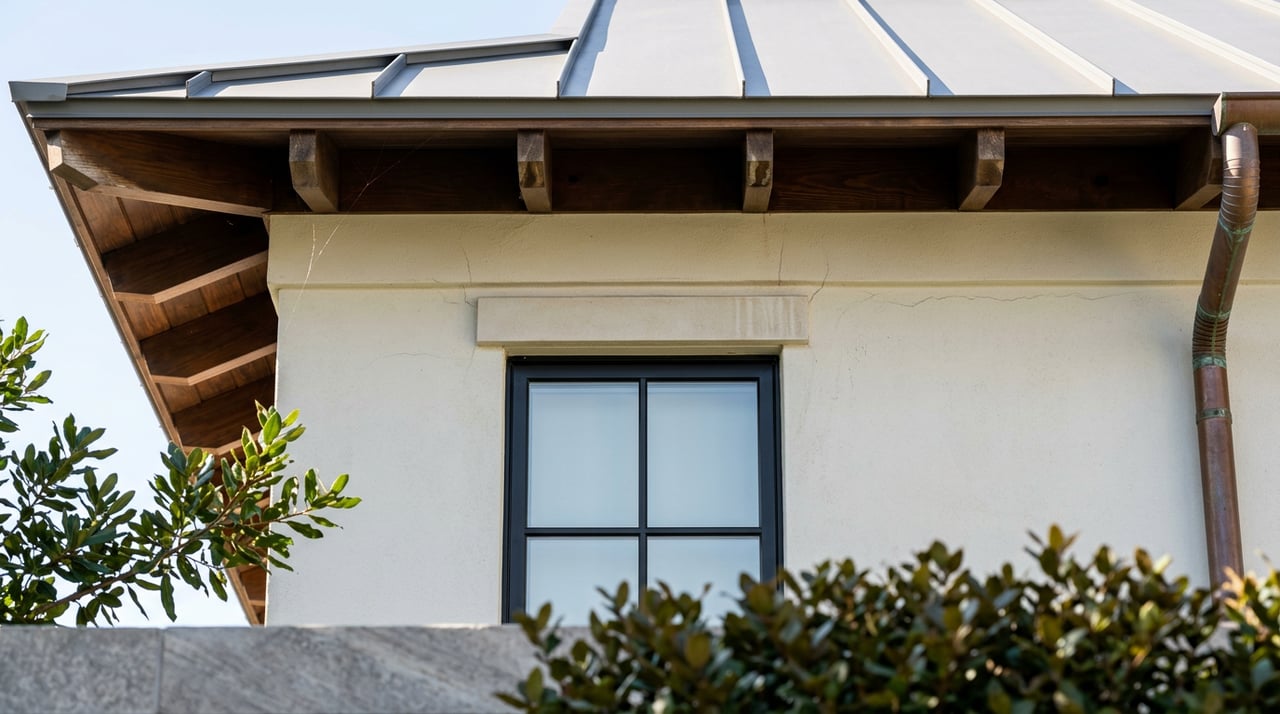
Part of what makes Rosemary Beach visually cohesive is that every structure in town belongs to one of twelve legally defined building types set out in the regulating plan, among them the Arcade, the Flats, the Courtyard House, the Rear Yard House, and the Side Yard House. Each type carries its own lot requirements, setbacks, and architectural parameters. A buyer isn't just purchasing a house. They're purchasing a building type, and that type constrains what the ARB will approve for future changes regardless of what the current owner did or didn't do with it.
This matters most for buyers who see a resale home and picture a different footprint, an added story, or a reconfigured entry. The building type on the lot may simply not permit it, no matter the budget behind the request.
Homes near the Gulf carry an additional layer: the Coastal Construction Control Line, a state-regulated boundary restricting construction seaward of established dunes. Pools, decks, and other permanent structures generally cannot extend into that zone, and permits to do so are often denied outright. For a buyer drawn to a lot specifically because it sits close to the water, this is worth confirming before assuming a pool addition or expanded outdoor living space is achievable at any price.
Investment-minded buyers face one more friction point that rarely shows up in a listing description. The alley-loaded garage system is designed to keep cars off the street, but in practice, garages tend to fill up with the owner's bikes, beach chairs, golf carts, and seasonal furniture, leaving renters to park on narrow streets during peak season, which runs Memorial Day through Labor Day. Street parking gets scarce fast, and renters circling the block for a legal spot sometimes end up parking illegally and collecting citations, which shows up in guest reviews.
The Pattern Book's requirement for permeable surfaces rules out the obvious fix of adding an asphalt parking pad, so owners serious about protecting their rental income typically end up renting off-site storage, running $150 to $300 a month, to keep the garage clear and functional for guests. Minimum stay requirements add another layer of underwriting: typically seven nights during summer peak season and three to five nights off-season, though this varies by the specific property's deed restrictions, so it's worth confirming on a home-by-home basis before modeling rental income.
None of this is a reason to avoid Rosemary Beach. It's a reason to underwrite it accurately. The purchase price is negotiable. The days-on-market data through August 2026 suggests buyers currently have some room to work with on that number. The transfer fee, the capital contribution if you're renovating, the ARB timeline, and the insurance cost on a coastal Zone A property are not negotiable in the same way. They're set by the same governing structure, and that structure is the actual story behind Rosemary Beach's pricing, more than the median number any portal will show you.
Does the 1% transfer fee apply to every property type in Rosemary Beach? It applies under the POA's governing documents, which cover the town's single-family homes and townhomes. Always confirm the exact figure and any exemptions in the specific property's recorded declaration, since terms can vary by parcel and phase.
Is the capital contribution fee the same as the transfer fee? No. The transfer fee is charged on every resale. The capital contribution is a separate, one-time charge tied specifically to new construction or major renovation projects, and the two can stack on a single transaction if you're buying a home you intend to substantially remodel.
Can I skip the ARB process for something small, like a repainted door? No. The ARB's authority covers exterior modifications regardless of scale, including repainting in an already-approved color. Budget for the professional drawing requirement and the monthly meeting cadence even on projects that feel minor.
Buying in Rosemary Beach means buying into a town that was built to hold its value through consistency, and that consistency has a price tag attached to it at every stage, from closing day through your first renovation. Knowing where those costs sit before you're under contract is the difference between a smooth closing and a surprise on the settlement statement.
If you're evaluating a property in Rosemary Beach and want the real numbers before you write an offer, the Jonathan Hill team can walk through the specific declaration, ARB timeline, and cost stack for the home you're considering. Schedule a Consultation to get started.
Stay up to date on the latest real estate trends.
30A
30A
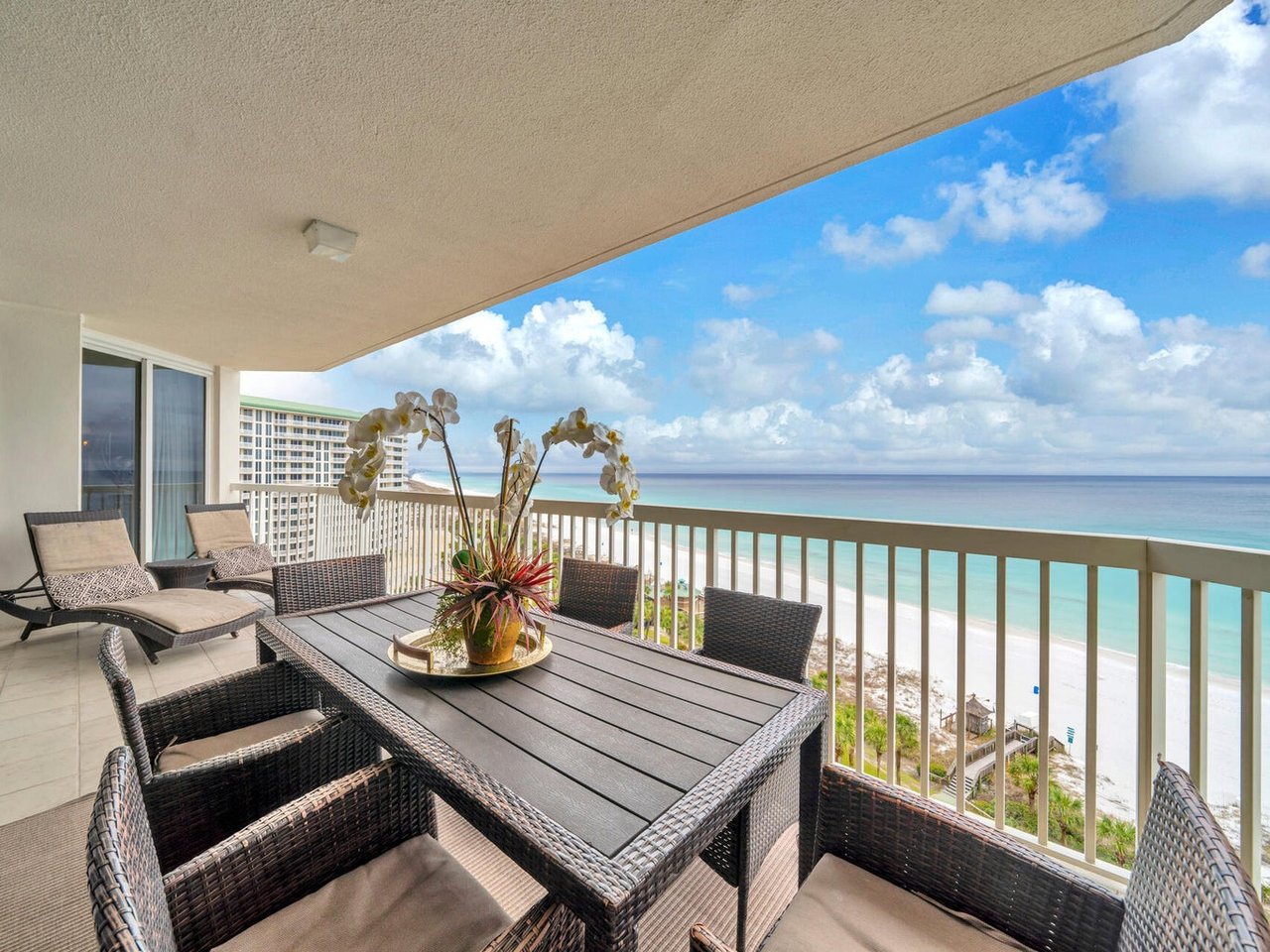
From HOA fees and insurance to assessments, rental restrictions, and beach access, here’s what every Florida condo buyer should consider before purchasing.

Looking for expert advice in the 30A real estate market? The Jonathan Hill Team is ready to provide you with the insight and expertise you deserve.