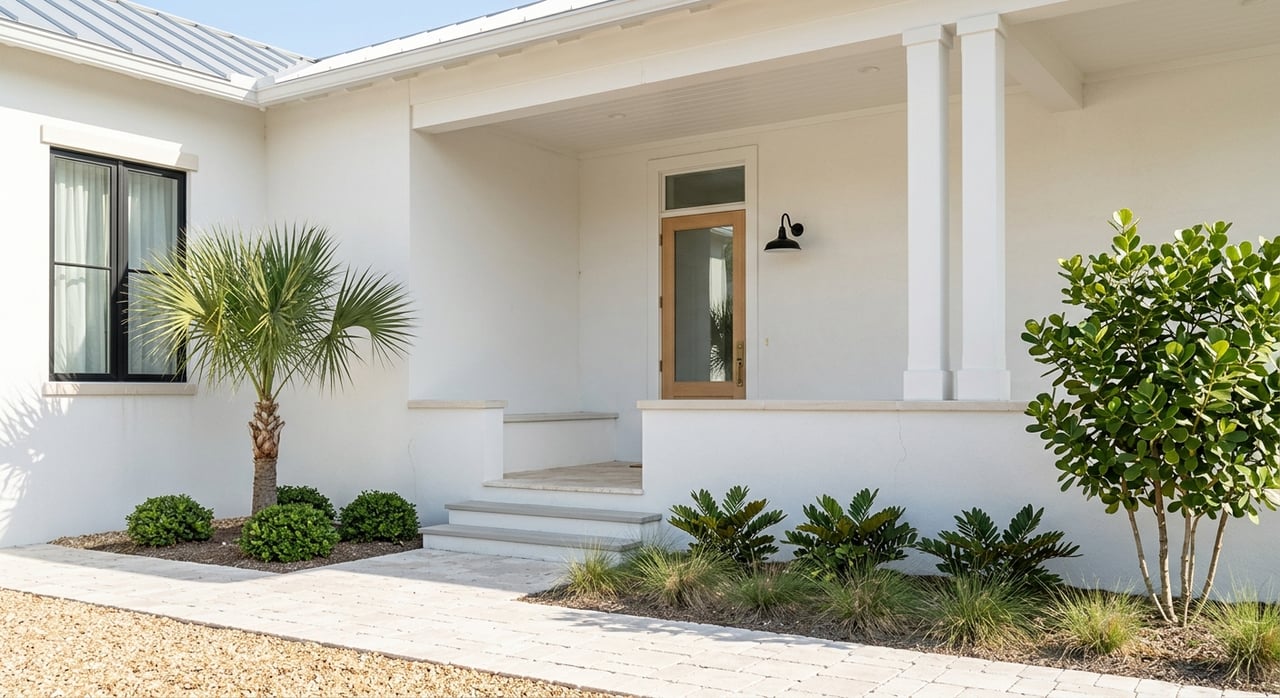
Car-Light Vacation Homes in Seaside Florida
Jonathan Hill June 25, 2026
Jonathan Hill June 25, 2026
To search properties simply remember J30A.com.
If you picture beach life as endless driving, circling for parking, and planning every outing around your car, Seaside may surprise you. This Gulf-front 30A community was intentionally designed to make daily life easier on foot or by bike, which is a big draw if you want a more relaxed coastal routine. Whether you are thinking about a primary home, second home, or vacation property, understanding how Seaside works can help you choose the right fit. Let’s take a closer look.
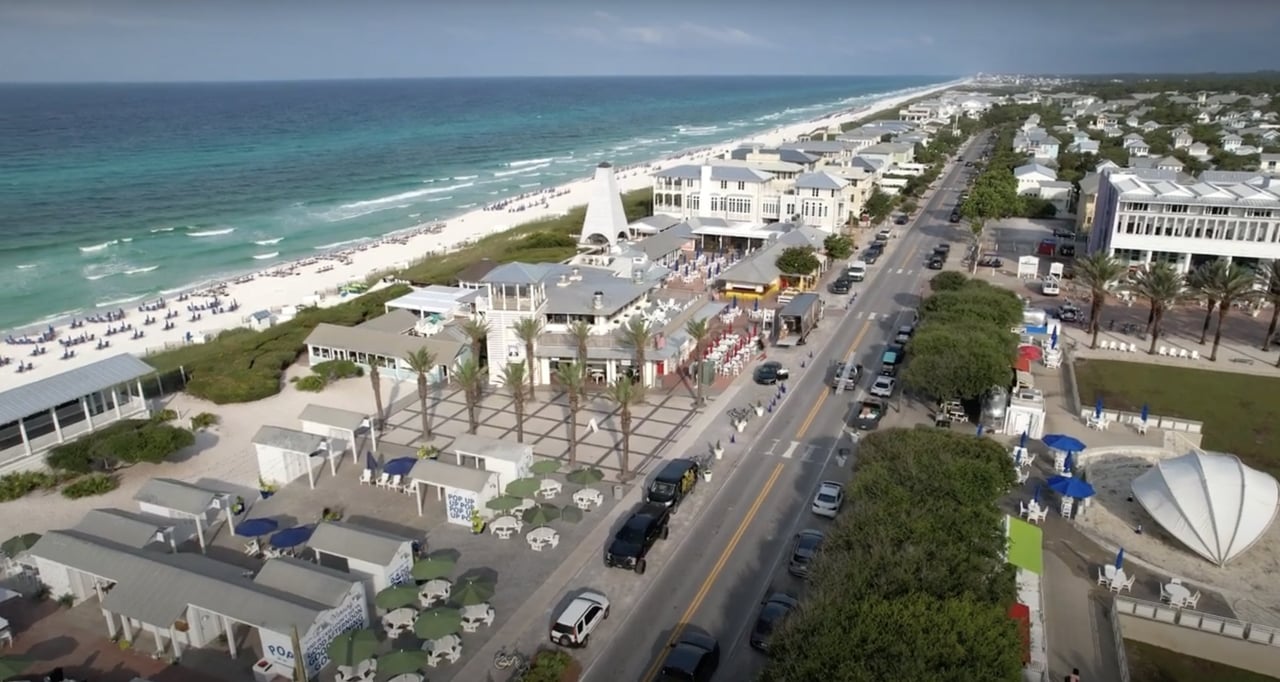
Seaside was planned as a walkable town, and that design still shapes daily life today. Official town information points to brick-paved streets, white-sand footpaths, and a centrally located town square that keeps many everyday destinations close together.
That layout matters because it changes how you move through the day. In many cases, you can go from your cottage or condo area to the beach, shops, dining, and events in town without getting in the car.
Central Square plays a big role in that experience. Seaside describes it as the heart of community life, and shopping and dining are within about a five-minute walk of residences and the hotel.
A walkable community is not just about pretty streets. It is about whether your daily routine feels simple once you arrive.
In Seaside, many of the places you are likely to visit are clustered together. Boutiques, galleries, home furnishings, specialty shops, and dining options are all part of a compact area near the beach and Central Square.
For you as a buyer, that can mean less time coordinating short trips and more time enjoying the setting. It also creates a very specific ownership experience, especially if your goal is to spend more of your day outside and less behind the wheel.
Depending on where the property sits within Seaside, you may be able to reach key spots with a short walk or bike ride, including:
Seaside notes public restrooms behind the Post Office in Central Square, at the boardwalk between Bud and Alley’s and Shrimp Shack, and at the entrance to Coleman Pavilion beach access. Small conveniences like that help support a practical car-light lifestyle, not just an idealized one.
Walking may cover a lot of Seaside itself, but biking helps widen your options. Seaside Transit Authority is the official rental bike provider for the community, and Seaside frames biking as one of the natural ways to experience the town.
That matters even more when you look beyond Seaside’s immediate footprint. Walton County Tourism says the county maintains more than 26 miles of multi-use trail and more than 60 beach, lake, and bay access points.
If you are comparing 30A communities, this is an important distinction. In Seaside, the car-light lifestyle is not just a nice idea inside the neighborhood. It also connects to a broader South Walton trail and access network that can support short outings without relying on your car for every errand or activity.
Car-light does not mean car-free. In Seaside, a more accurate expectation is reduced dependence on a vehicle rather than total elimination.
Seaside’s own materials note that street parking and public lots are available near Central Square. Walton County’s Beach Park and Ride program also gives riders a free option for getting from parking areas to popular beach access points throughout South Walton.
For buyers, that is a helpful way to think about the lifestyle. You may park once, settle in, and walk or bike for much of the day, while still keeping a vehicle available for longer trips, errands outside town, or travel days.
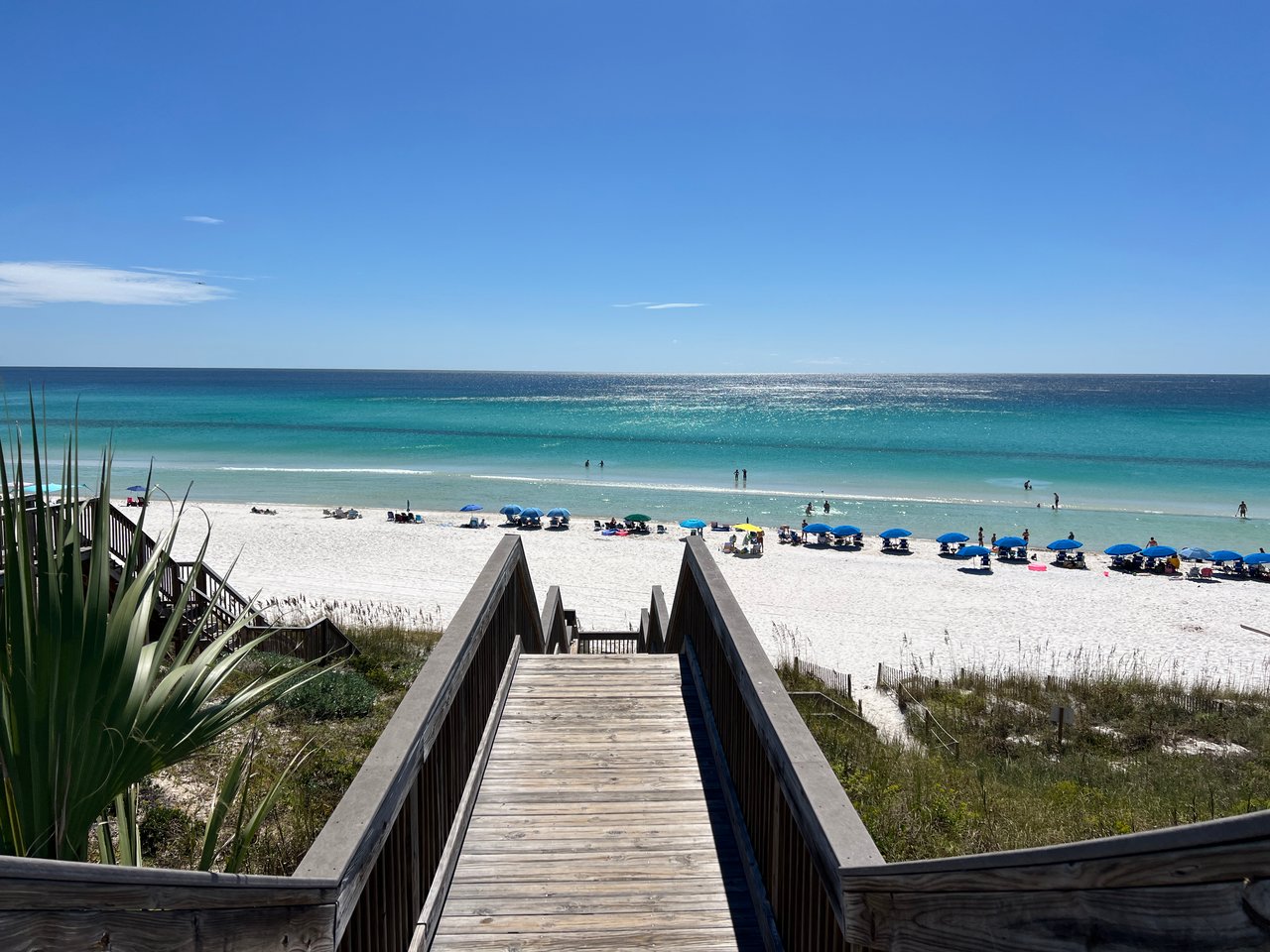
One of the most important things to understand about Seaside is that beach access is built into the neighborhood’s planning. It is not simply a matter of living nearby and assuming all access points work the same way.
Seaside’s FAQ says vacation-rental guests receive access to the pavilion on the street where their rental is located. It also says the public can access the beach at Coleman Pavilion by booking chair rental service.
Beach access affects more than convenience. It can shape how you use the property, how guests experience it, and how the location fits your long-term goals.
In Seaside, the connection between the home, the pavilion system, and the beach is part of the town’s design. If a car-light lifestyle is high on your priority list, understanding that relationship early can help you focus on the right property type and location within the community.
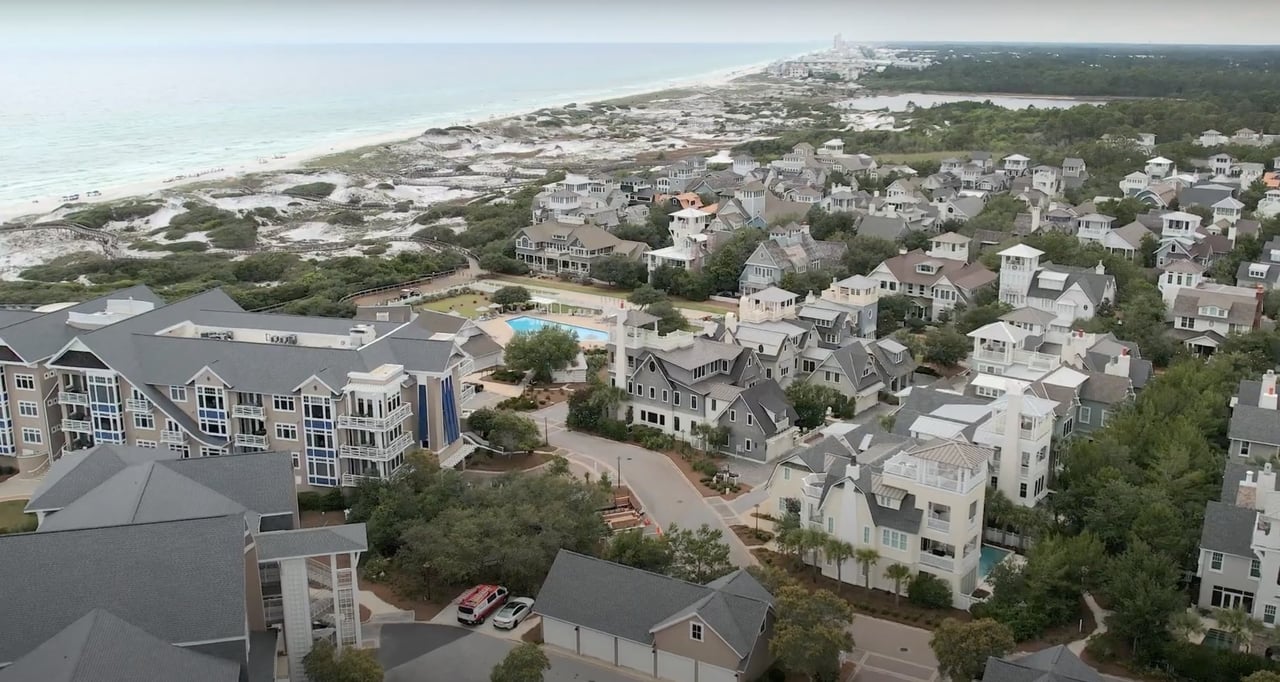
Seaside offers several housing types, including Gulf-front residences, town center cottages, carriage houses, and multi-bedroom investment properties. The best fit depends on how you want to live, how often you plan to use the property, and how much you want to prioritize walkability.
For many buyers, Town Center cottages are the clearest match for a car-light routine. They are positioned steps from Central Square, the Airstream food vendors, and the public beach pavilion.
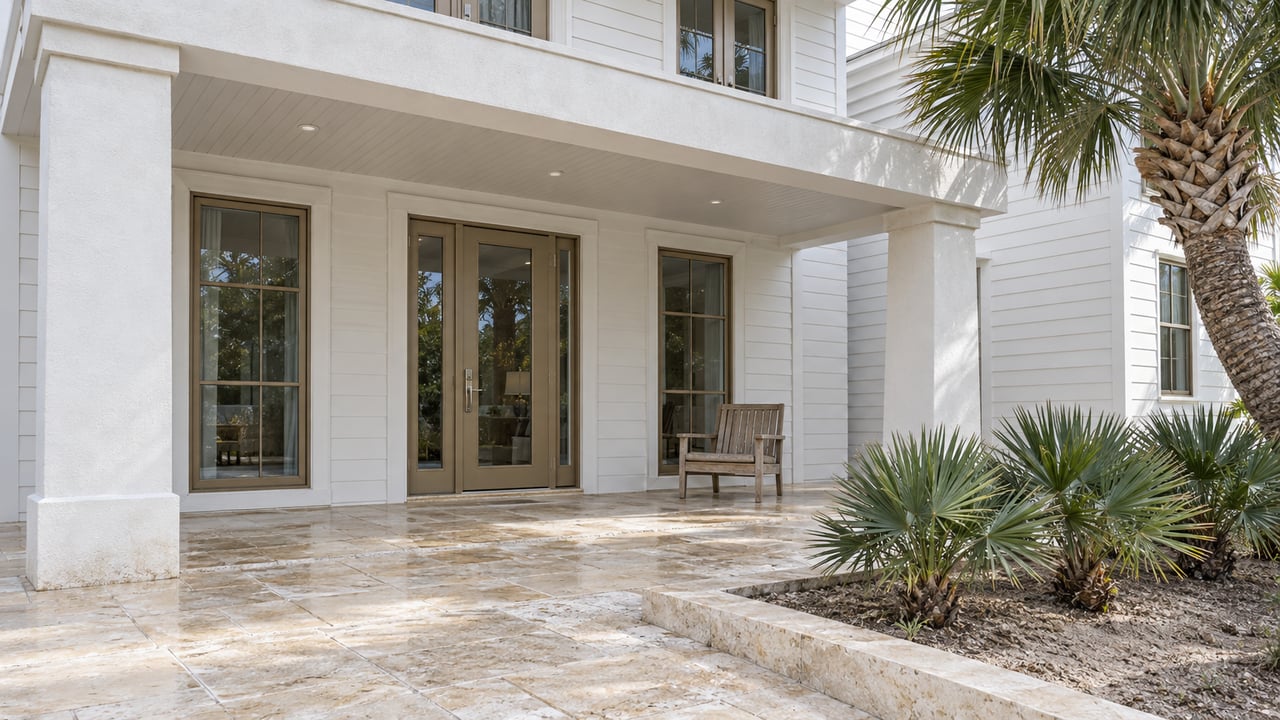
Gulf-front homes offer a more premium version of that same lifestyle, with direct beach exposure and private boardwalk access. Interior cottages and carriage houses can still support walkability, but the experience may vary depending on their exact location and your day-to-day preferences.
Property type | Car-light advantage | Best for |
|---|---|---|
Town Center cottage | Close to Central Square, dining, shopping, and beach access | Buyers who want the most walkable daily routine |
Gulf-front residence | Strong beach connection with premium access and exposure | Buyers prioritizing beach proximity and luxury use |
Interior cottage | Walkability with a different location and use pattern | Buyers balancing lifestyle and price point |
Carriage house | Smaller footprint with access to the broader town layout | Buyers seeking a lower-maintenance Seaside option |
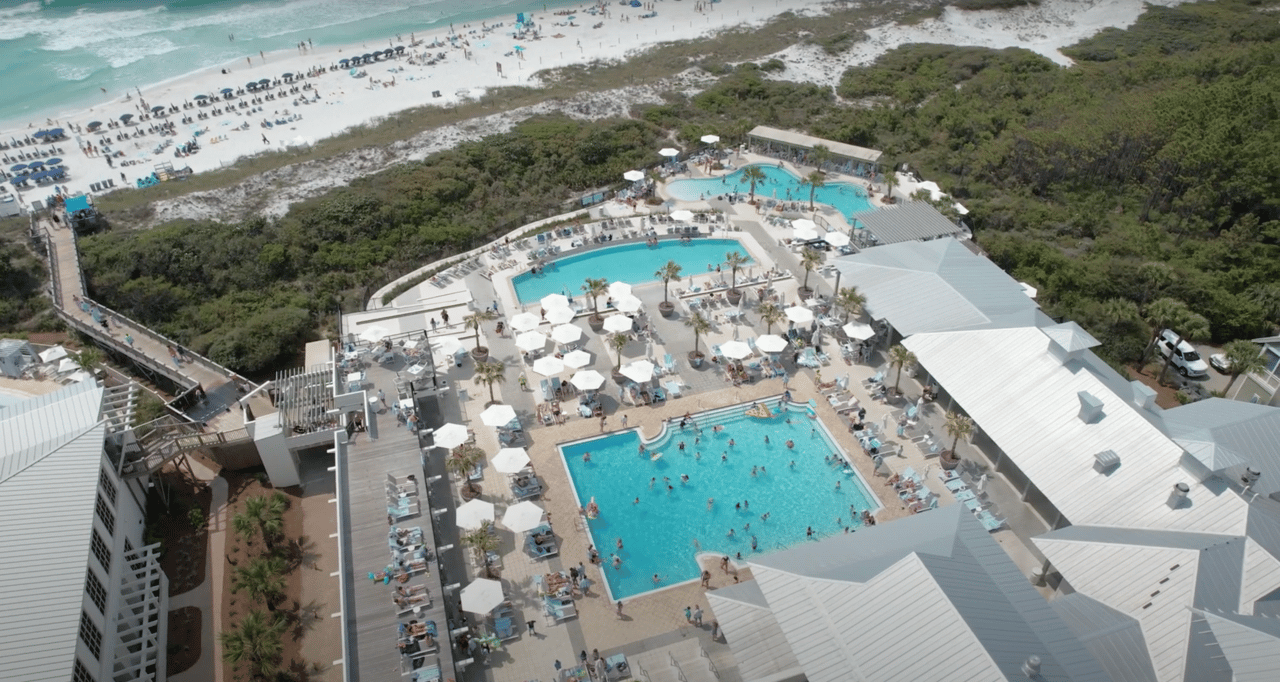
Seaside’s stay offerings include a boutique hotel, private cottages, and full-home vacation rentals. Official information also notes that most vacation rentals are a short walk or bike ride from the beach and Central Square.
That tells you something important as a buyer. Seaside’s layout supports both short-term enjoyment and longer-term livability because the daily essentials of the experience are woven into the town itself.
If you are relocating full-time, that can translate into a more connected routine. If you are buying a second home or investment property, it can also be a meaningful lifestyle feature for your own visits and for future guests.
If you are considering a purchase in Seaside or along nearby 30A corridors, exterior changes may involve more than standard property decisions. Walton County says properties contiguous to 30A, 393, and 395, along with some properties south of US 98, may fall within the Route 30A Scenic Corridor Overlay.
That overlay can bring added standards for landscape, access, signs, and design. If a property is part of your short list, it is worth reviewing how those standards could affect future updates or exterior plans.
Seaside stands out because the built environment supports a slower, more connected coastal rhythm. You are not just buying close to the beach. You are buying into a town pattern where walking, biking, and easy access to gathering places are part of everyday life.
That is why micro-location matters so much here. Two homes may both have a Seaside address, but their relationship to Central Square, beach access, and the town’s circulation pattern can create very different ownership experiences.
If you are exploring Seaside, it helps to look beyond square footage and finishes. Pay close attention to how the property functions within the town, how you would move through a normal day, and how often you could realistically leave the car parked.
If you want help comparing Seaside homes, nearby 30A communities, or the lifestyle tradeoffs between different property types, connect with Jonathan Hill for thoughtful, local guidance tailored to your goals.
Related:Seaside neighborhood guide · 30A & Santa Rosa Beach FAQ · 30A realtor — To search properties simply remember J30A.com.
Stay up to date on the latest real estate trends.

Monthly Blog
Monthly Blog
Monthly Blog
Monthly Blog

Monthly Blog
Monthly Blog
Looking for expert advice in the 30A real estate market? The Jonathan Hill Team is ready to provide you with the insight and expertise you deserve.